Dominican Republic Travel Tips for First-Timers (2026)
Pesos or dollars, how much to tip, which plugs you need, whether you can drink tap water: the practical basics to know before your first trip to the Dominican Republic.
In this article
The most useful Dominican Republic travel tips for first-timers are simple: complete the free e-Ticket before you fly, carry some Dominican pesos for small purchases and tips, drink bottled water, and take the sun seriously from day one. US-style plugs work, English is widely spoken in tourist areas, and 911 is the emergency number. The details below will help you arrive prepared and avoid the small mistakes most first-time visitors make.
Money: pesos, dollars and cards
The local currency is the Dominican peso (DOP). In Punta Cana, Bávaro and other tourist areas, many businesses also accept US dollars, but you will usually receive your change in pesos, often at a rate that favors the seller. Prices in local shops, colmados (corner stores) and markets are normally quoted in pesos.
- Cards are widely accepted at resorts, larger restaurants and supermarkets. Smaller vendors, beach stands and street food are often cash only.
- ATMs dispense pesos. Use machines inside banks, shopping centers or your hotel rather than isolated ones on the street.
- Tell your bank you are traveling and check your card’s foreign transaction fees.
- Small bills are handy for tips, taxis and snacks; large notes can be hard to break.
Tipping and service charges
Restaurant bills in the Dominican Republic usually include a 10% service charge required by law, plus ITBIS, the country’s sales tax. Check your bill so you know what has already been added. Even so, leaving an extra tip for good service is customary, and a few extra pesos handed directly to your server are always appreciated.
At all-inclusive resorts, tips are not required but are appreciated by bartenders, housekeeping and waiters. Tour guides, drivers and porters also generally expect a tip when the service has been good. How much is up to you; what matters is having small bills ready.
Practical basics: plugs, water, sun and language
Electricity and plugs
The Dominican Republic uses Type A and Type B plugs and 110 volts, the same as the United States and Canada. Travelers from the US or Canada usually need no adapter. Visitors from Europe and elsewhere should pack a plug adapter and check that their devices accept 110 V. A small power strip is useful in hotel rooms with few outlets.
Drinking water
Drink bottled or purified water, and use it to brush your teeth if you want to be cautious. Resorts provide bottled water and their ice is generally made with purified water. Outside the resort, stick to sealed bottles.
Sun and mosquitoes
The Caribbean sun is strong all year, even on cloudy days. Use a high-SPF sunscreen, reapply after swimming, wear a hat and drink plenty of water. Mosquitoes can be active at dawn and dusk and after rain, so pack insect repellent and use it, especially on excursions to rivers, caves or the countryside.
Language
Spanish is the official language. In hotels, resorts, tour companies and most tourist businesses, English is common. A few words of Spanish, such as hola, gracias and por favor, go a long way, and they help in colmados and smaller towns where English is less widespread.
Safety and common sense
Most visits to the Dominican Republic go smoothly, and the same common sense you would use at home applies here.
- Keep valuables in the room safe and carry only what you need for the day.
- Avoid showing expensive jewelry, cameras or large amounts of cash in public.
- Use transport arranged through your hotel, a known company or the official taxi rank, especially at night.
- Be careful with strong currents on some beaches and follow lifeguard flags where they exist.
- Buy excursions from reputable operators rather than from people approaching you on the beach.
The emergency number is 911. There is also a tourist police force, POLITUR, with a presence in the main tourist areas.
Getting around and driving
Dominicans drive on the right-hand side of the road. If you plan to rent a car, be prepared for driving habits that may feel very different from home: motorcycles weaving through traffic, sudden stops, and speed bumps that are not always marked. Some roads outside the main highways are poorly lit, so many visitors avoid driving after dark.
Check with your rental company about the documents you need, the insurance included and the deposit on your card. For airport runs and day trips, many travelers prefer to leave the driving to someone else. If you are arriving soon, our Punta Cana Airport arrival guide walks you through immigration, customs and finding your driver.
Before you fly: e-Ticket and packing list
The Dominican Republic uses a free online e-Ticket for entry and exit, which also covers your customs declaration. Complete it at the official site, eticket.migracion.gob.do, before you travel, save the QR code, and fill in the exit part before your flight home. Requirements can change, so check the official site and your airline before departure.
Packing list
- Passport, e-Ticket QR code and printed or offline copies of your bookings
- High-SPF sunscreen, after-sun lotion, sunglasses and a hat
- Insect repellent
- Light clothing, a light rain jacket and one smarter outfit for resort restaurants
- Water shoes for rocky beaches and boat excursions
- Plug adapter if you come from outside North America
- A small dry bag for phones and documents on boat trips
- Any prescription medicines in their original packaging
Leave some room for the food, too: our list of Dominican dishes to try will help you order beyond the buffet. If you have questions about transfers or excursions before your trip, you can contact our team in English or Spanish.
Frequently asked questions
Do I need pesos in Punta Cana or can I use dollars?
US dollars are accepted in many tourist businesses, but change usually comes back in pesos. Having some pesos makes small purchases, tips and local shops easier.
Can I drink tap water in the Dominican Republic?
It is best not to. Drink bottled or purified water, which resorts provide, and choose sealed bottles when you are away from your hotel.
Do I need a plug adapter in the Dominican Republic?
Not if you come from the US or Canada: the country uses Type A and B plugs at 110 V. Visitors from Europe and most other regions will need an adapter.

We are a Dominican team welcoming travelers at the country’s airports every day. We write about what our guests ask us before and during their trip.
About usKeep reading
All articles
Punta Cana Airport Arrival Guide: Step by Step from Plane to Hotel
From the e-Ticket QR code to the arrivals exit: a calm, step-by-step guide to landing at Punta Cana…

The Best Beaches in Punta Cana and Bávaro: A 2026 Beach Guide
From lively Bávaro and wild Macao to calm Juanillo and empty Uvero Alto: where to swim, surf and…
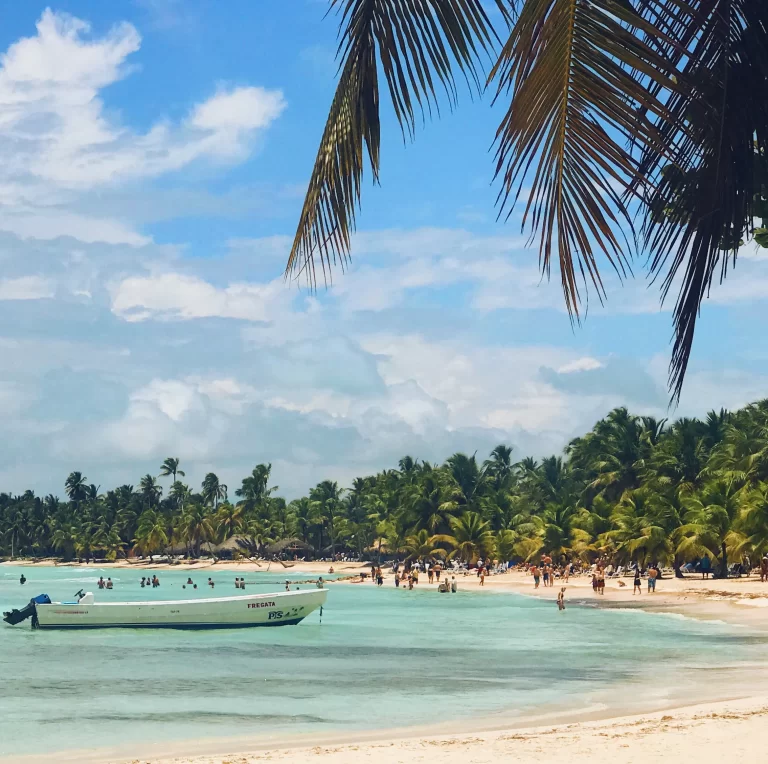
Saona Island Excursion from Punta Cana: The Complete 2026 Guide
Everything you need for a Saona Island excursion: how the day works, catamaran vs speedboat, the natural pool,…