Samaná Whale Watching from Punta Cana: Humpback Season Guide
Every winter, humpback whales gather in Samaná Bay to mate and give birth. Here is when to go, how the trips work and how to fit it into a Punta Cana holiday.
In this article
Samaná whale watching runs roughly from mid-January to late March, when North Atlantic humpback whales gather in Samaná Bay to mate and give birth, with February usually the busiest month. From Punta Cana it is about four hours by road, so you can do it as a very long day trip or, better, stay one or two nights on the peninsula.
Why humpback whales come to Samaná Bay
Humpbacks spend the summer feeding in cold northern waters and migrate south in winter to the warm, sheltered waters of the Dominican Republic. Samaná Bay is one of the places where they court, mate and calve, and it is part of a protected marine mammal sanctuary.
What you may see from the boat: blows of spray, a curved back and dorsal fin, a tail lifted before a dive, and with luck a full breach or males competing for a female. Mothers with calves tend to move slowly and stay near the surface. Sightings are never guaranteed, but in peak season they are very common.
How the whale-watching trips work
Trips leave from the pier in the town of Santa Bárbara de Samaná and last around half a day. Boats must follow official regulations that limit how close they can approach, how long they can stay with a group of whales and how many boats can watch at once. Swimming with the whales is not part of Samaná Bay trips.
- Choose an operator that respects the rules and has a guide or naturalist on board explaining behavior.
- Go in the morning if you can: the sea is often calmer.
- Bring a windbreaker, sunscreen, a hat, sunglasses with a strap and a waterproof bag for your phone.
- Many trips stop afterward at Cayo Levantado, so wear your swimsuit underneath.
A word on seasickness
The bay can be choppy, especially near its mouth where the whales often gather, and boats idle in the swell while watching. If you are prone to motion sickness, take medication before boarding (check with your doctor or pharmacist), eat a light breakfast, sit toward the middle and rear of the boat and keep your eyes on the horizon. Ginger candies help some people. Avoid alcohol the night before.
Other highlights of the Samaná peninsula
Cayo Levantado
A small island in the bay with white sand and calm turquoise water. Part of it is occupied by a resort, but the public beach area is the classic stop after a whale trip, with simple lunch options and loungers.
Los Haitises National Park
Across the bay, Los Haitises protects mangroves, limestone caves and dozens of steep karst islets rising from the water. Boat trips, usually from Samaná or Sabana de la Mar, wind through the mangroves, stop at caves with ancient Taíno rock art and pass islets full of frigatebirds and pelicans.
El Limón waterfall
Inland between Samaná town and Las Terrenas, this tall waterfall is reached by a hike or a horseback ride through farmland and forest from the village of El Limón. The trail can be muddy and steep in places; wear shoes that can get wet and bring a change of clothes if you plan to swim in the pool.
Las Terrenas and Las Galeras
Las Terrenas, on the north coast, is a lively beach town with restaurants and long palm-lined beaches such as Playa Cosón and Playa Bonita. Las Galeras, at the eastern tip, is quieter and the gateway to Playa Rincón and Playa Frontón. Both are good bases for a night or two, and the place to try fish in coconut sauce.
Getting to Samaná from Punta Cana
| Option | Best for | Keep in mind |
|---|---|---|
| Day trip by road | Travelers with limited time | Around 4 hours each way; a very early start and a late return |
| Road trip with 1–2 nights | Seeing whales plus Los Haitises, El Limón or the beaches | Pack light and book lodging early in February |
| Fly into El Catey (AZS) | Visitors arriving from abroad who start their trip in Samaná | Check which airlines serve the route in your travel dates |
A full day trip from Punta Cana is possible and many tour operators offer one, but it means close to eight hours in a vehicle. Splitting the journey with a night in Samaná or Las Terrenas makes the experience far more relaxed. If you fly in, there are transfers from El Catey Airport to the main towns of the peninsula.
For organized options with hotel pickup, see our tours page, or contact us to plan a private ride to Samaná and back.
When to plan your trip
Book early if you are visiting in February, when demand for boats and rooms is highest. Late January and March are a little calmer, and sightings remain frequent. Outside the season there are no whales, but Los Haitises, Cayo Levantado and the beaches are worth the trip all year. For a month-by-month view of weather and crowds, read our guide to the best time to visit Punta Cana.
A relaxed two-night plan looks like this:
- Day 1: leave Punta Cana in the morning and spend the afternoon on the beach in Las Terrenas or settling in near Samaná town.
- Day 2: morning whale-watching trip with a stop at Cayo Levantado, then an afternoon hike or ride to El Limón.
- Day 3: a boat trip to Los Haitises in the morning, or a lazy beach morning, before the drive back.
Frequently asked questions
When is whale season in Samaná?
Roughly from mid-January to late March, with the peak usually in February. Exact dates are set each year by the authorities, so check before booking.
Can I see the whales in a day trip from Punta Cana?
Yes, but it is a long day with around four hours of driving each way. Staying one or two nights lets you add Cayo Levantado, Los Haitises or El Limón without rushing.
Can you swim with the whales in Samaná?
No. Trips in Samaná Bay are for watching from the boat, under rules that limit distance and time with the animals.

We are a Dominican team welcoming travelers at the country’s airports every day. We write about what our guests ask us before and during their trip.
About usKeep reading
All articles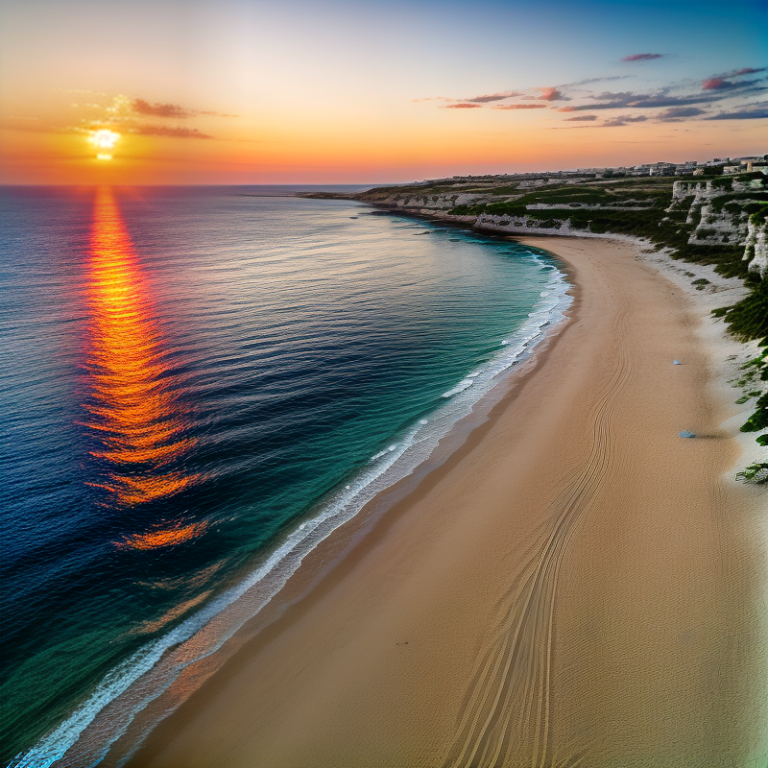
Best Time to Visit Punta Cana: Weather and Seasons Month by Month
Dry and busy from December to April, hotter and quieter in summer, with hurricane season from June to…
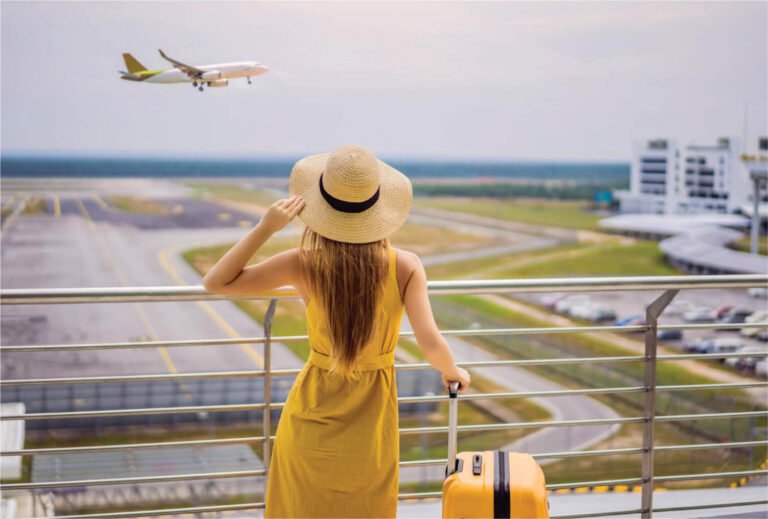
Punta Cana Airport Arrival Guide: Step by Step from Plane to Hotel
From the e-Ticket QR code to the arrivals exit: a calm, step-by-step guide to landing at Punta Cana…
The Best Beaches in Punta Cana and Bávaro: A 2026 Beach Guide
From lively Bávaro and wild Macao to calm Juanillo and empty Uvero Alto: where to swim, surf and…